

Good Friday! (Not that one.) This week, a look at London’s Museum of the Home, the only museum in the world dedicated to the home.
But before that, I PLEAD with you: give IMBOT a boost by referring it to a friend. You can do that here.
And yes, you get something if you refer! Top referrers and paid subscribers get their recs featured in Signal Boost — you’ll find it at the end of today’s issue. (This week: K-pop, luxe notebooks.)
And now, enjoy the show.
What makes a house a home? In a word, things.
I look to the things that surround me now as I write this: the used, velvet-orange three-seater we bought cheap before the furniture guy became a designer vintage dealer; the beat-up bookcase I found a few blocks over and drove back with the trunk open, then lugged up four flights of stairs; the big metal letter from old signage — the letter C — tilted sideways against the wall, drawing comments that it looks like a magnet (or that it’s an ego-driven ode to my name, Colin).
These are stories of their origins — their birth, if you will — but they don’t stop evolving. Over the years, I’ve fallen asleep on the orange couch, woken up on it, eaten on it, spilled ice cream and soup on it, made my way through my watchlist, and wasted away reading on it. My wife and I painted the bookcase yellow in the throes of winter early last year, as we talked about what our life might look like in the year ahead while removing any lingering tetanus from the orange-rusted nails. We’ve moved the C around the apartment countless times; when it used to rest on the floor, our two cats would sometimes linger behind it, as if they were posing. “C is for Cat.”
These are the objects of my home. And the objects of yours, too, make your house (or an apartment, or your bedroom — wherever you reside) a home.
I try not to sound too certain about statements like that, particularly when they risk sounding like a universal truth about something as personal as home. Which is why it was oddly freeing to find that the Museum of the Home in London exists precisely to let people explore the idea for themselves (its tagline: “the place to explore and debate what home means”).
The museum is tucked into London’s Hoxton neighborhood, housed in an 18th-century former almshouse, a charitable housing facility once provided for the poor or elderly. It also claims to be the only museum in the world dedicated entirely to the idea of home — a bold but oddly fitting ambition, given how universal and elusive that idea is.
Visitors, free of charge, wind their way through exhibits that frame home through everyday experiences of, as one sign says as you enter, “making, keeping and being at home over the last 400 years.”
Among the museum’s themes: style, expression, domesticity and family, and they’re told through a broad scope: reconstructed living rooms, objects of daily life, interactive displays on labor and care within the home. An entire exhibit shares the story of families whose loved ones have gone missing — and how those spaces feel in their absence. The curation doesn’t strive for a single definition.
Which is also a part of what makes the museum feel alive. A Victorian conversation corner sits just a few displays over from a velvet couch positioned in front of a TV playing Mario Kart, always on for visitors to sit down and play. A display, Smelly Dwellings, offers patrons the opportunity to experience the scents of household cleaners throughout the centuries. (Beast’s gall — the liquid from the gallbladder — was once used to clean carpets and woolen cloth. It does not have a nice smell.)
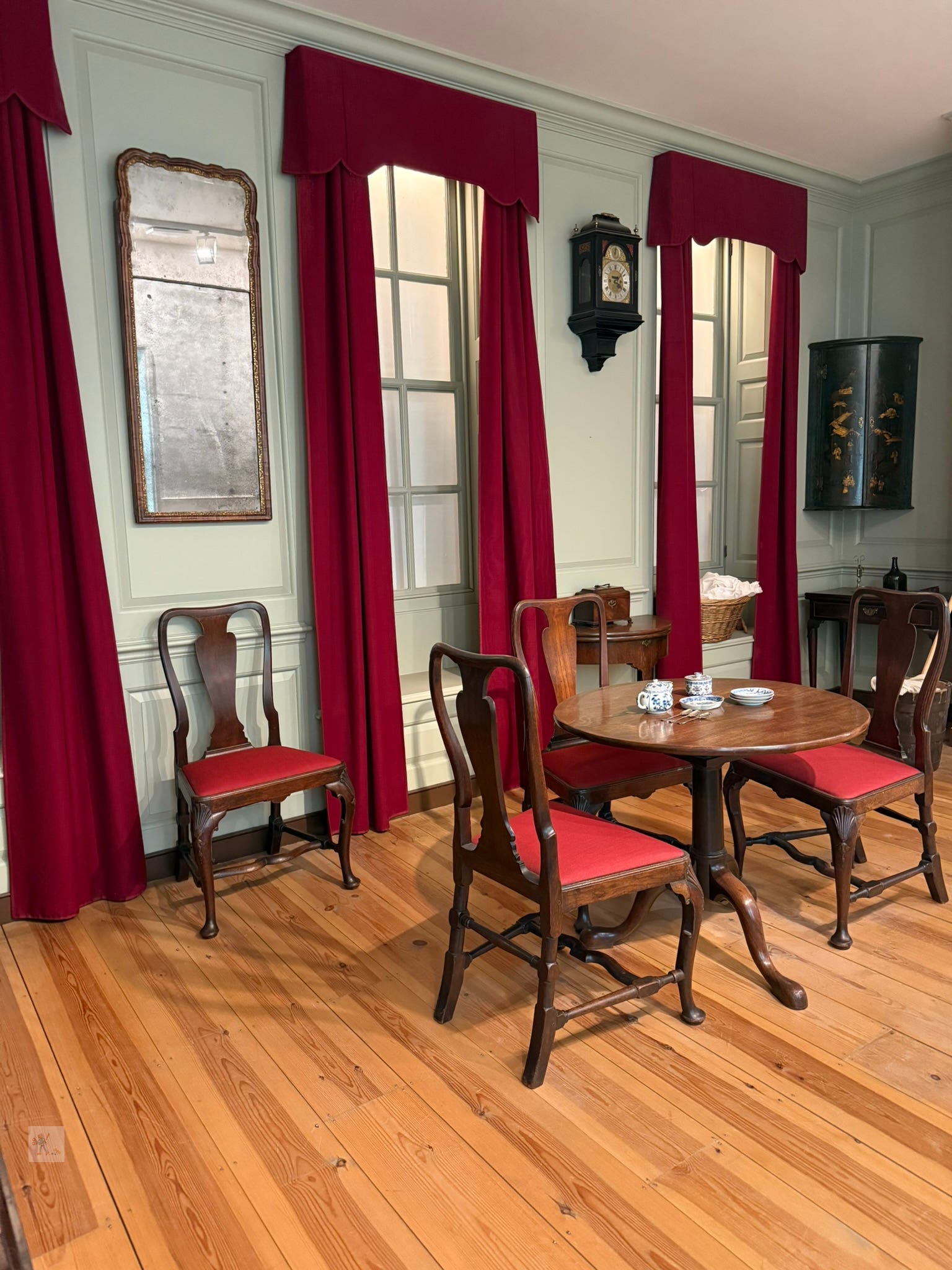
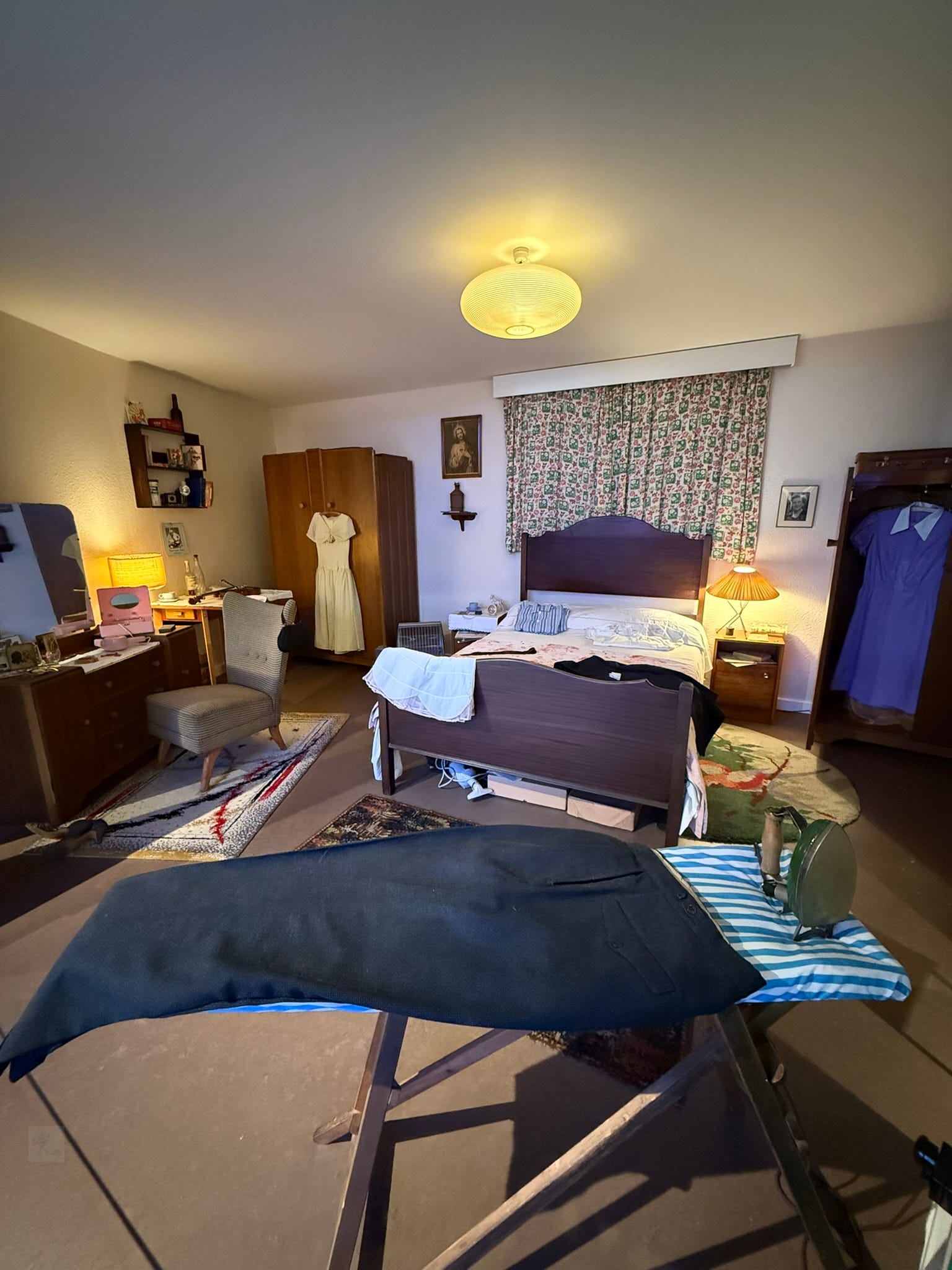
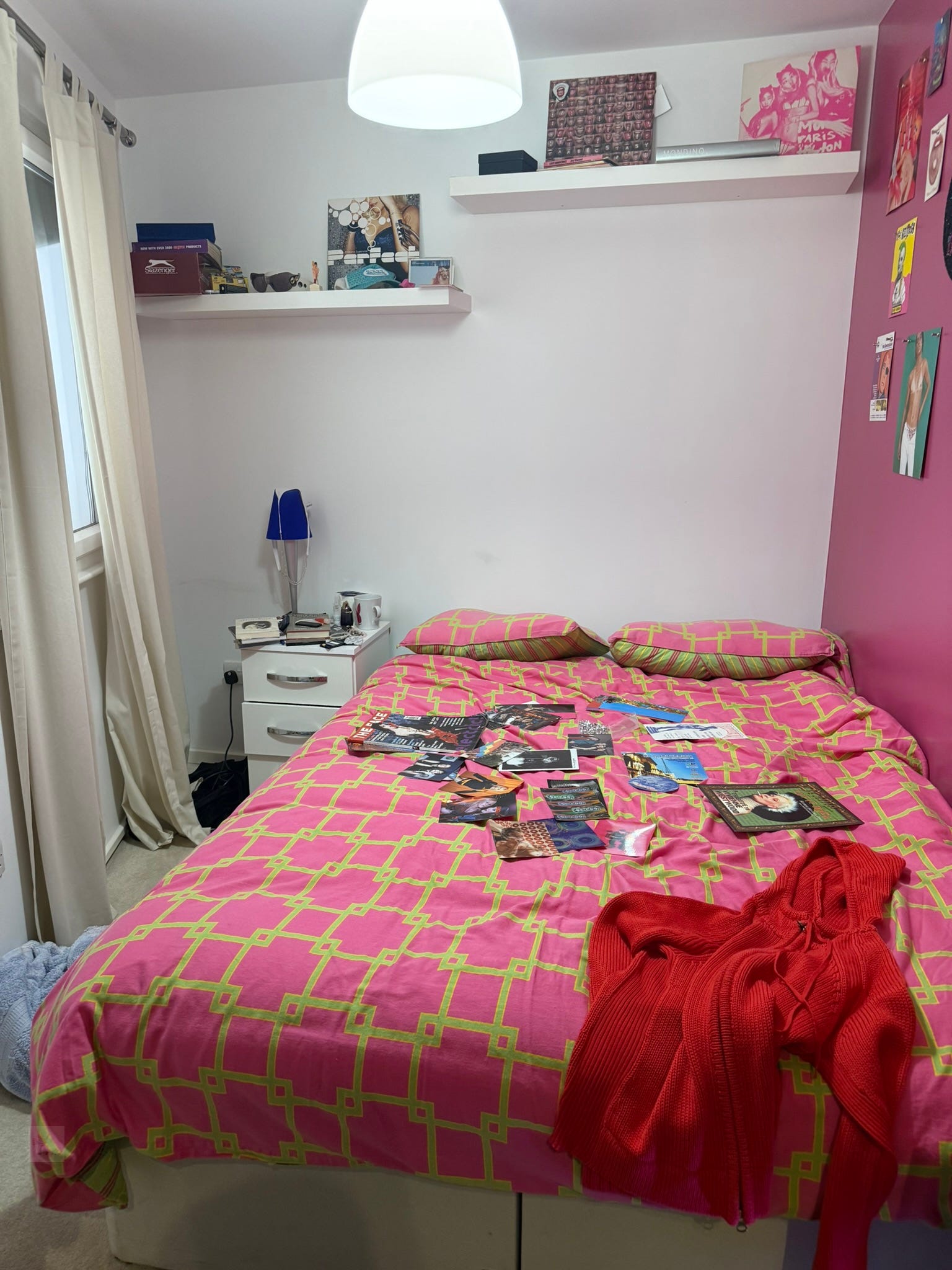
However, what I really came to see was the Rooms Through Time, the museum’s most popular attraction. Visitors are led through rooms — actual rooms, built to scale — that span four centuries in English life, from a hall in 1630 to an imagined living room of 2049. You can get a sense of the time from how the room is arranged.
For instance, in the late 18th century, as disposable income rose, so too did a trend toward othering: parlours became neat, smart and tidy designs that showed you were respectable. In other words, you had the means to give the appearance that you were staying on top of your shit — a type of status signaling we’re obviously well past today, right? Right?
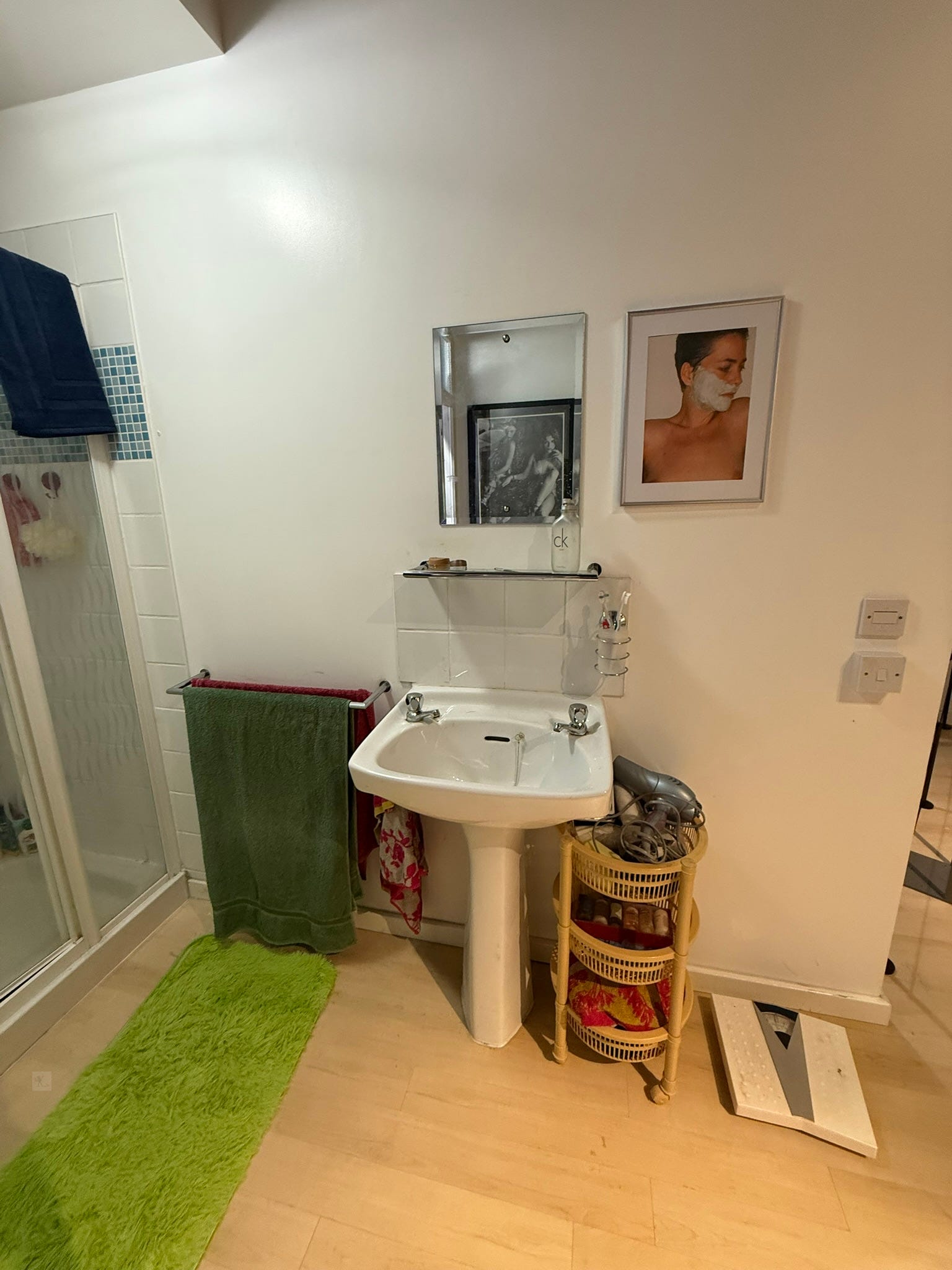
The museum boasts a staggering 40,000 items in its collection, a remarkably large archive for a museum of this size. Through a spirit of accessibility and openness, it allows anyone to make an appointment and request to see items in person, a perk usually reserved for researchers.
In an attempt to take advantage of that openness, I’d hatched a plan: to assemble my own Room Through Time, built from the museum’s archive of domestic life. I reached out via email to request a complete collection of items I hoped to assemble and reconstruct a room in a spare space at the museum — an absurd request, in retrospect, and one I suspect the staff immediately (and rightly) declined. In typical British fashion, they were perfectly polite in what amounted to “not a chance.” Still, the idea stuck with me: I wanted to create a sense of home from what I could bring together.
Back in the museum, it was the modern rooms I wanted to visit most — the sense of time not far removed from when my mom was growing up, or even when I was growing up.
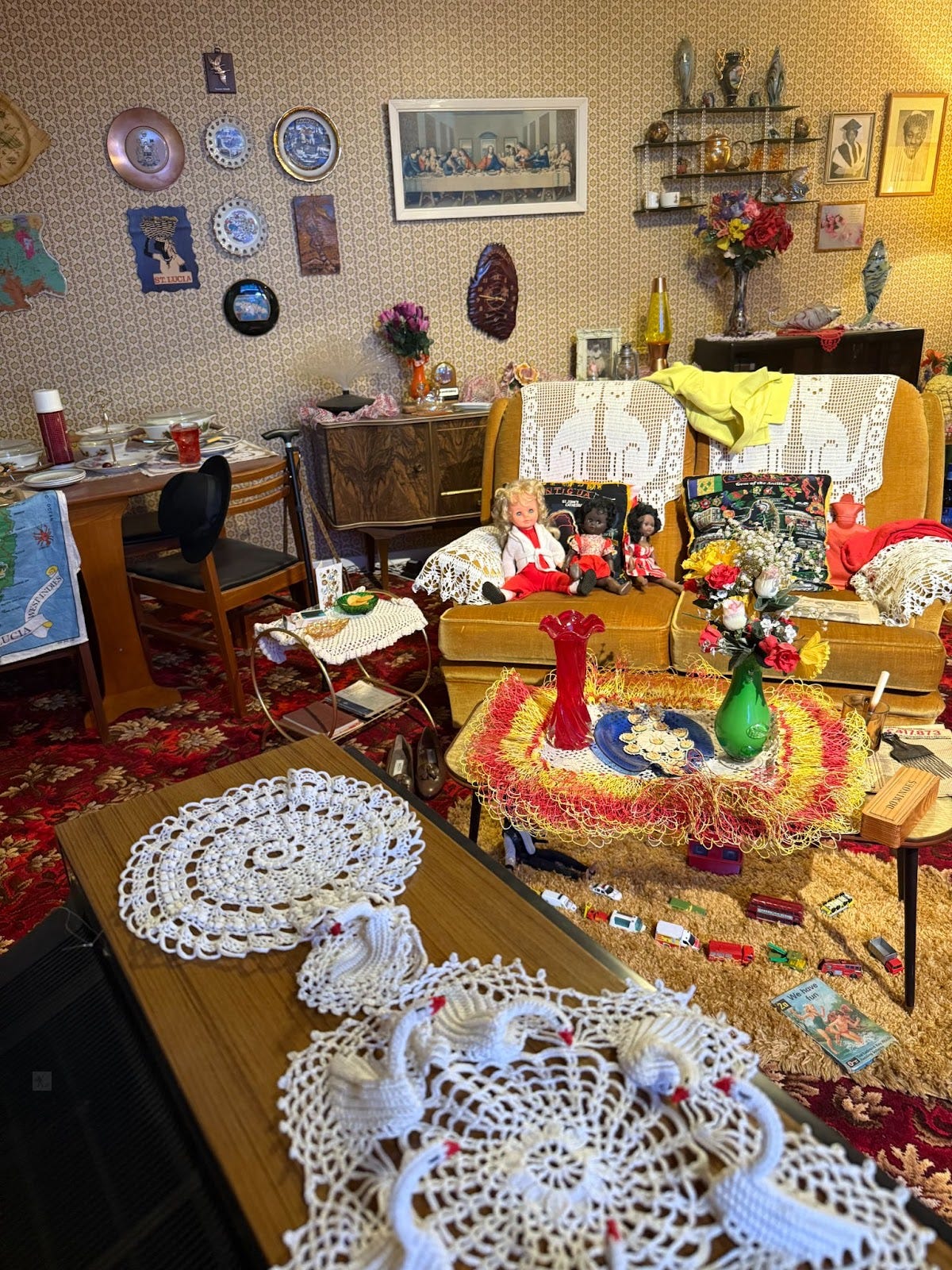
In a terraced house from 1978, the room was gloriously maximalist: a velvet sofa covered in crocheted doilies, toy cars marching across the carpet, walls layered with plates and prints, a table stacked with plastic flowers and lace. It felt lived, layered and loved.
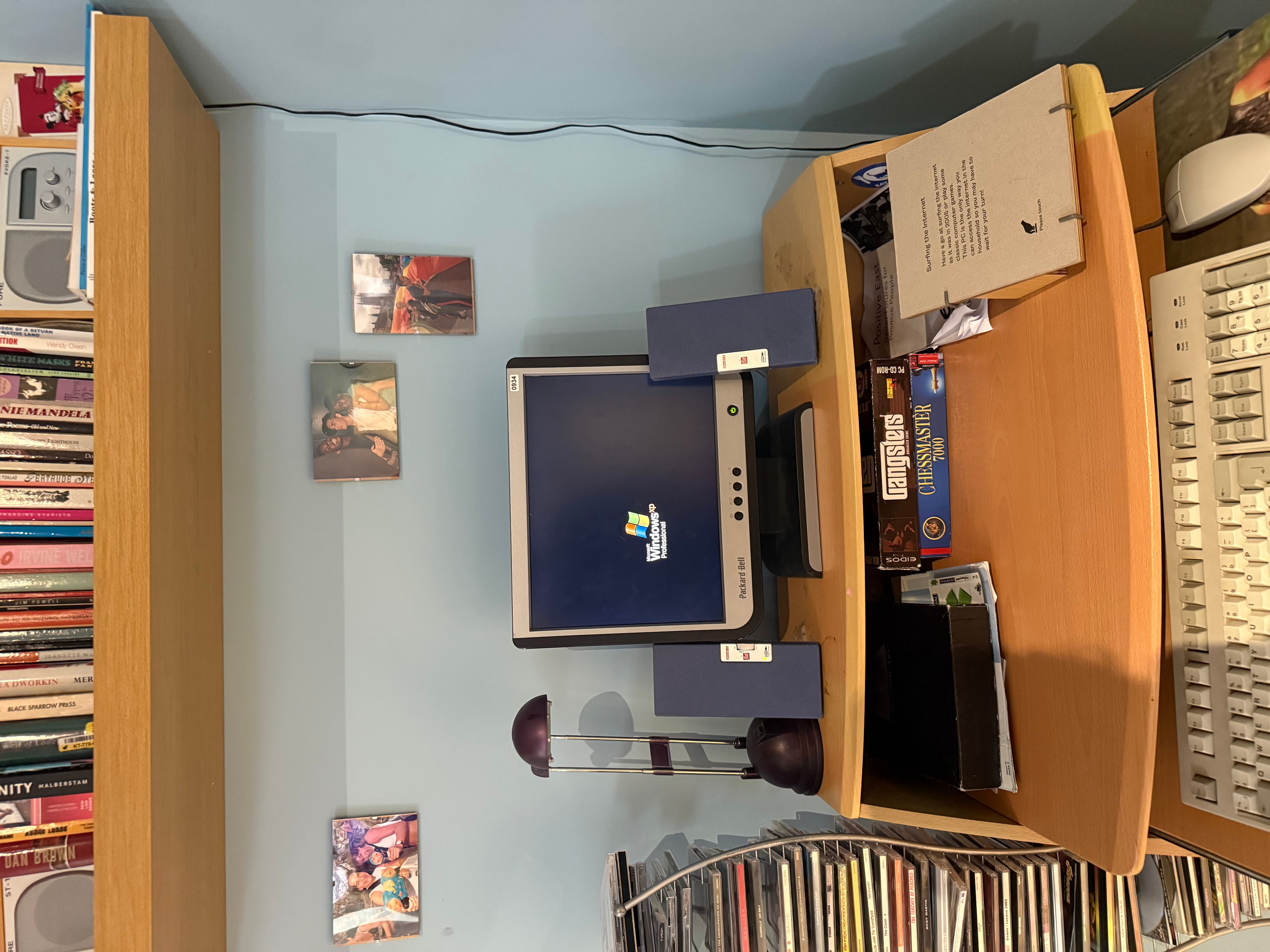
In one high-rise flat from 2005, a corner of the room was dedicated to a bulky desktop computer, a reminder of the brief era when going online still required its own physical space. The mouse pad was pixelated, a tower of CDs stood beside it, and photos of friends and family were pinned to the wall around the desk.
In a terraced house from 2024, I watched as a family visiting the museum sat in the living room and began pointing out objects they also had at home: a lamp, a blanket draped over the sofa. Their casual chatter made it clear: the recognition was instant and personal.
As I was about to leave the museum, I noticed a staff member sitting in the corner of a hallway, watching the passersby who detoured into each room. She mentioned she often sat here during her shifts, so I asked: What’s the most common thing you hear in these rooms?
She smiled. “Everyone finds something that reminds them of home.”
As I left the museum, I still had no definitive answer to what makes a home, but a growing list of objects I wouldn’t mind calling my own.
Building a Room Through Time
If I couldn’t build my room in the museum, I would build it online. No rules, no categories — just the thrill of clicking through 40,000 objects and seeing what felt right.
For hours, I searched the collections online, sorting by no filter or organization, and went to work, scouring dozens of pages for items akin to a hidden gem at a market. Before long, I had the bones of a room: something a little quirky, a little nostalgic.
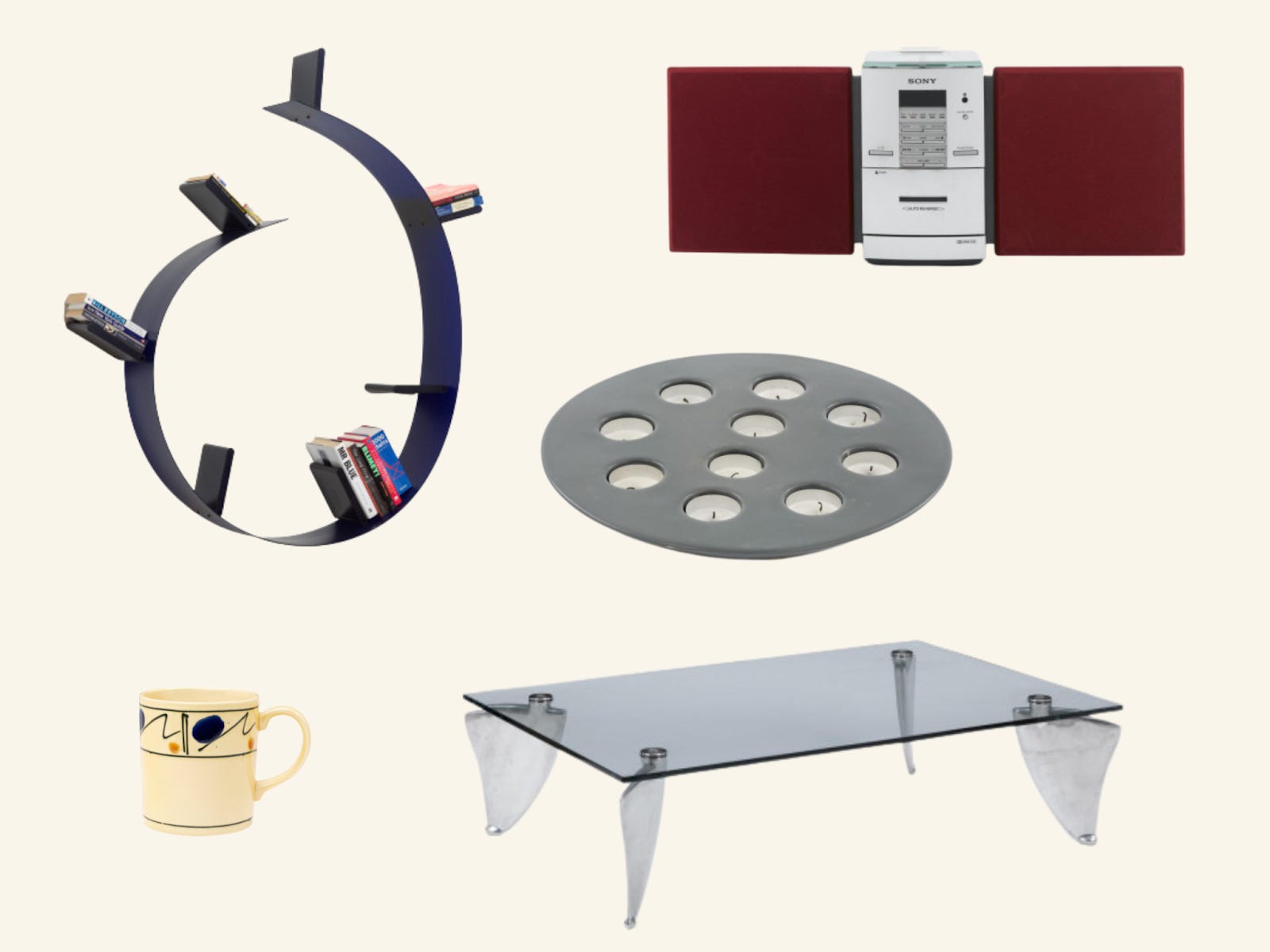
Here’s what ended up in my “1990s loft living space” (images courtesy of Museum of the Home):
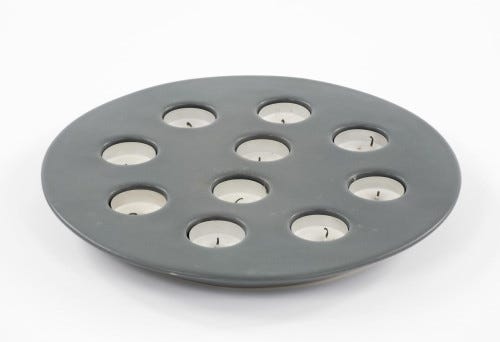
Circular glazed stoneware candle holder
Stoneware, holds ten tea lights. Made in Germany, retailed by Heal’s, circa 2000. Minimalist, yet dramatic when on fire.
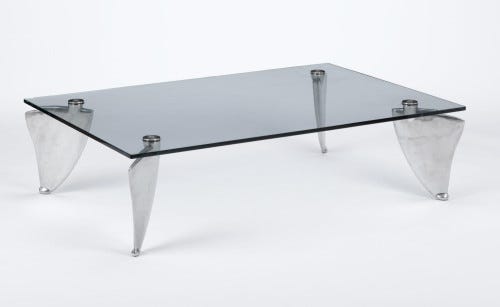
Rectangular glass-topped table
Glass top with four die-cast aluminium "flipper" legs. Designed by Matthew Hilton, manufactured and retailed by SCP (London), circa 1998. Perfect for the big coffee books.
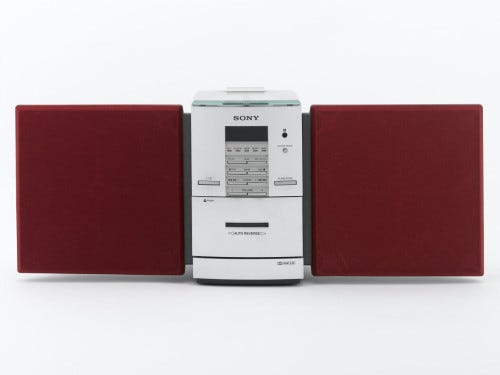
Sony Jewel micro system
Brushed aluminium finish; radio, tape and CD player with digital screen. Manufactured in China by Sony, circa 1998. Designed to play Lauryn Hill, Oasis, and Alanis Nadine Morissette on repeat.
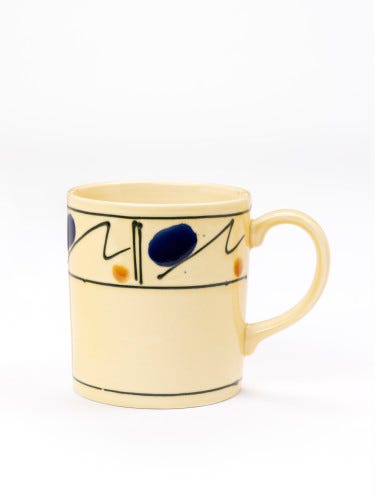
Glazed earthenware mug (‘Omega’)
Cylindrical form with ‘D’ loop handle. Pale mustard yellow glaze with dark green, blue and ochre freehand decoration. Designed by Fenella Mallalieu, manufactured by Poole Pottery, 1997. When I imagine picking up this cup, the coffee is always cold?
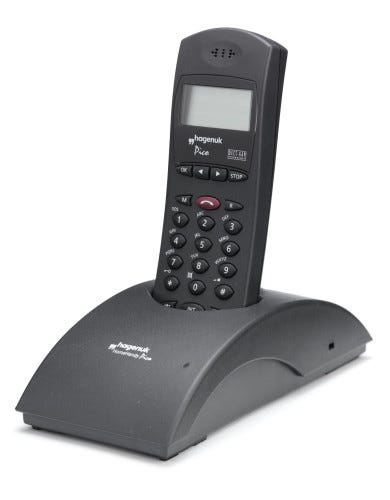
HomeHandy Pico cordless telephone
Matte black finish with rubber buttons and digital screen. Manufactured in Germany by Hagenuk, 1999. Corded, no more!
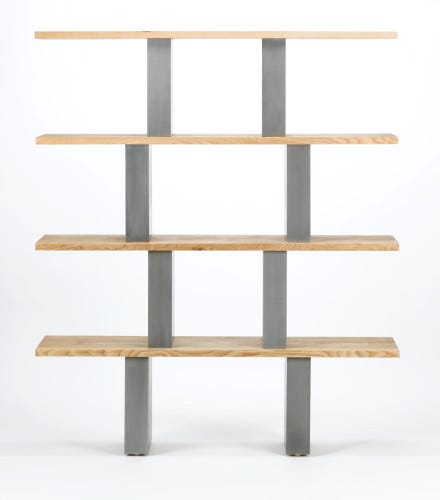
Free-standing shelf unit
Four solid ash shelves. Designed and retailed by The Conran Shop (London), circa 1998. A thing to put your things on.
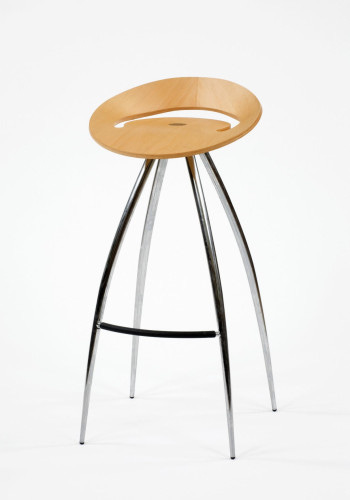
Lyra stool
Chrome legs with beech-faced moulded plywood seat. Designed by Design Group Italia for Magis (Italy), 1994; retailed through Purves and Purves (London), 1998. The hand juicer-shaped chair needs to enter the present-day canon.
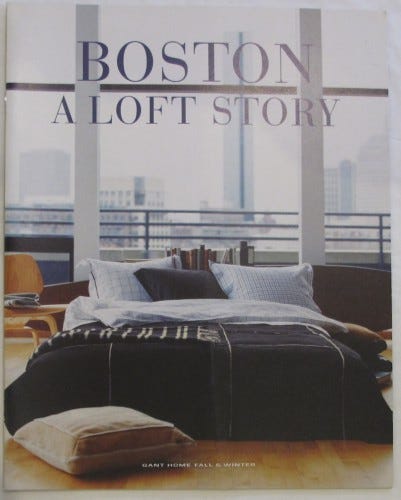
Gant Home catalogue (Boston: A Loft Story)
Fall & Winter catalogue, circa 1995. 20 pages with color images; 27.4 x 21.7 cm. Advertises home accessories such as throws and pillows. A catalogue about lofts in a loft!
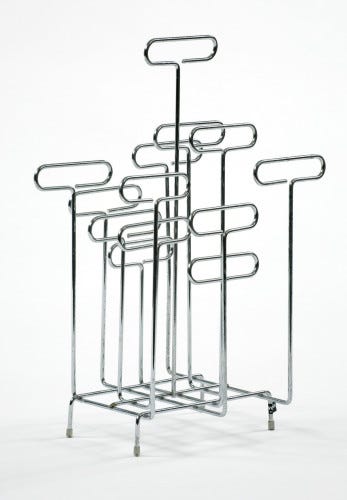
Magazine rack
Chrome-plated steel wire with four rubber-covered feet. Designed by Anna Albright for Wireworks, 1994; retailed through Heal’s (London). Like skyscrapers on the horizon.
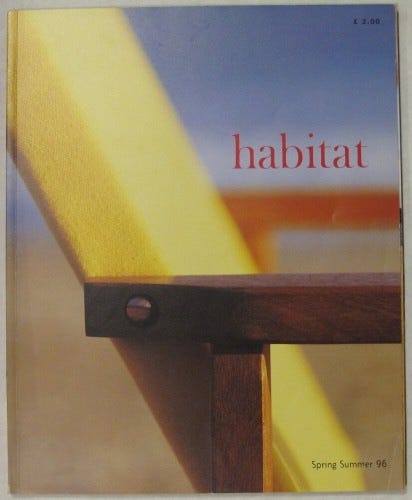
Habitat catalogue
Spring/Summer 1996. Contains household furniture and furnishings, illustrated with color photographs and prices. Would it look beautiful on a glass table or a metal magazine rack? Probably.
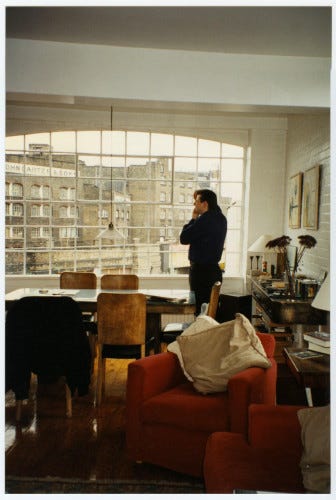
Documenting Homes collection (Hackney flat)
Color photograph of a flat in Hackney, London, taken in 1998 by a Geffrye Museum staff member. A picture of a loft from the 1990s in a flat from the 1990s, you say?
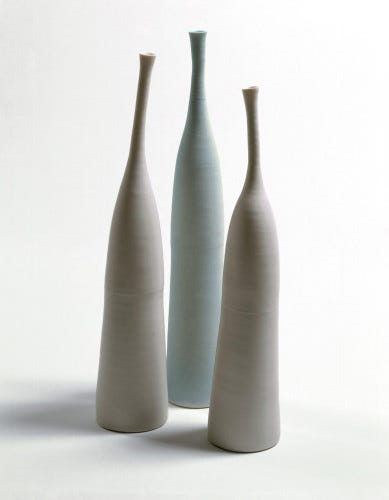
Hand-thrown porcelain vessel
Matte white glaze. Designed and made by Sophie Cook; retailed by Space (London), 1998. No utility, all vibes.
Looking at them all together, I realized that even without knowing who had lived with them before, these objects still built a certain kind of home. They had stories, were made for the home, but now I was finding new uses for them — making them, however briefly, objects of my own.
Maybe they’ll become yours, too. 🤖
Visit the entire online collection of the Museum of the Home.

Here’s what IMBOT’s referrers and paid subscribers are into this week.
@Lucas: “FIFTY FIFTY’s ‘Pookie.’ ‘Pookie’ is not just a song. It is a sonic transcendence. A bass-slapping, dopamine-drenched fever dream that begins in the hips and ends in a metaphysical crisis. Upon first listen, one might dismiss ‘Pookie’ as a breezy, carefree bop. Wrong. Lyrically, the song is a manifesto for Gen Z’s spiritual awakening. ‘I do it how I want’ isn’t just a flex—it’s a declaration of post-capitalist agency.
A rejection of hustle culture in favor of self-affirming groove. Musically, we are treated to a confection of Y2K synths and TikTok-certified swagger. It’s bubblegum-pop meets bad-boss energy with a side of sass so potent it should be regulated by the FDA. The choreography? Oh, honey. Every wiggle, every body roll says: ‘I have seen the void, and I have chosen to twerk at it.’ ‘Pookie’ is the anthem of unapologetic fabulousness. It’s what plays in your head when you walk into a party knowing you are the moment. FIFTY FIFTY didn’t just drop a song—they slapped the universe across the face with a sequined glove and whispered, ‘Pookie.’ 10/10. Nobel Peace Prize contender.”
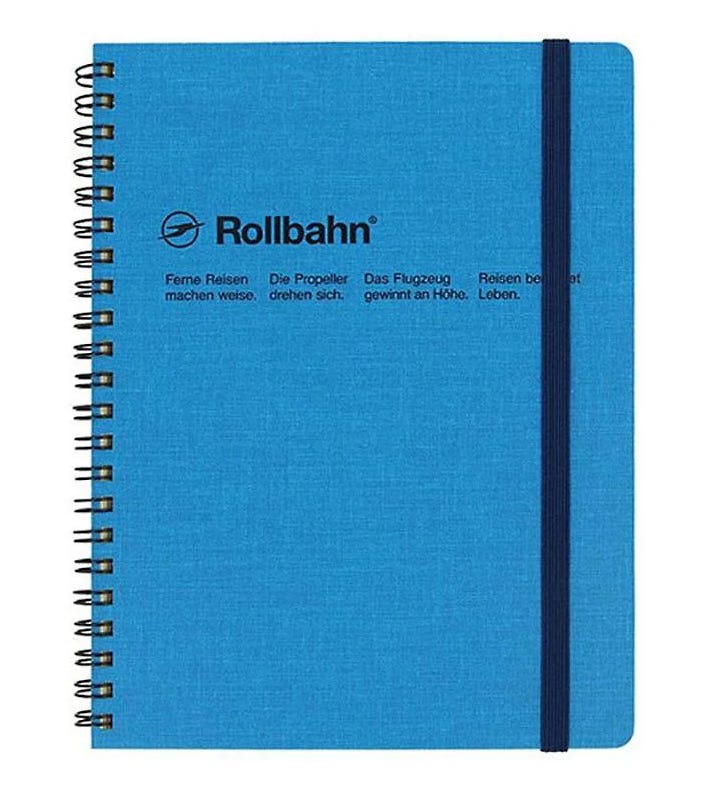
Laura Scherb: “I’m extremely picky about my notebooks (must be spiral bound, must have lines or grids, must be thick enough paper, etc.), but I have found my ultimate: Rollbahn.
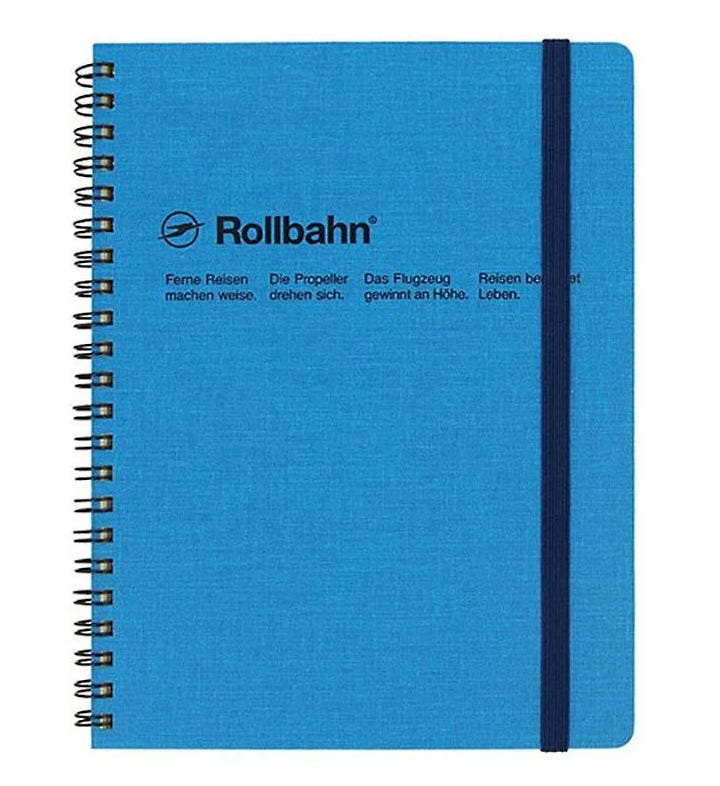
They come in a variety of colors, patterns, and sizes, and I now own six of them.” (Editor’s note: Too many? We’ll see!)
@Dan: “I’ve gotten really into the hit CBS show, Survivor, lately. In case you haven’t seen any of its 48 seasons, it’s the perfect combination of physical endurance, strategic gameplay, and brutal blindsided.
Truly, the full spectrum of human behavior. And through it all, Jeff Probst (the best reality TV show host to ever live) leads us with a steady hand and ironed khakis.”
Just so taken with the idea of a museum of the home. I definitely think of homes as the closest thing to a museum we get to curate ourselves, and I love thinking about how a museum of the museums we create would look. Adding it to my bucket list!